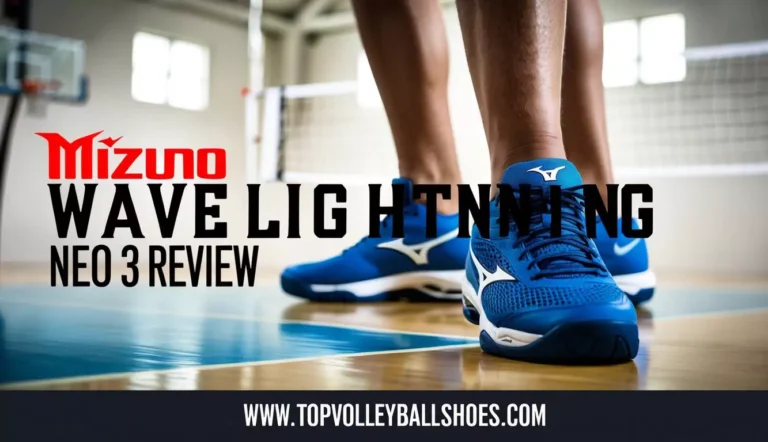
Mizuno Wave Lightning Neo 3 vs Neo 2: Which Should You Buy?
The Mizuno Wave Lightning Neo line is the benchmark for lightweight, speed-focused volleyball shoes, and if you’re shopping right now you’ve probably landed on the same question I get asked constantly: is the newer Neo 3 worth the premium, or is the older Neo 2 the smarter buy now that it’s discounted? Both are excellent, genuinely fast shoes — this comparison breaks down exactly how they differ so you can pick with confidence.
⚡ Quick Verdict
Buy the Neo 3 if you want the latest, lightest, most refined version and the best long-term pair. Buy the Neo 2 if you want nearly the same fast, grippy performance for less — it’s the value play whenever it’s in stock and on sale.


At a Glance
| Feature | Neo 3 | Neo 2 |
|---|---|---|
| Generation | Newer (current) | Previous |
| Weight | ~285 g, very light | Very light (similar) |
| Cushioning | ENERZY, refined | ENERZY |
| Midsole plate | Full-length Wave | Full-length Wave |
| Traction | XG rubber (elite) | XG rubber (elite) |
| Upper | Updated knit | Knit |
| Fit | Snug, narrow | Snug, narrow |
| Price | Higher (current) | Lower (often on sale) |
What Actually Changed From Neo 2 to Neo 3
The Neo line has always chased the same goal — the lightest, quickest shoe on the court — so generation-to-generation changes are refinements, not reinventions. The Neo 3 brings an updated knit upper for a slightly cleaner lockdown, tuned ENERZY cushioning, and small tweaks that keep it feeling fresh and responsive. The core DNA — sub-300-gram weight, a full-length Wave plate, and Mizuno’s elite XG rubber outsole — carries straight over from the Neo 2. In practice, if you handed most players both shoes blind, they’d feel more alike than different; the Neo 3 is the more polished version, not a different animal.
Cushioning & Responsiveness
Both use Mizuno’s ENERZY foam over a full-length Wave plate, giving that signature firm-but-responsive ride speed players love. The Neo 3’s cushioning is marginally more refined, but neither is a plush, high-stack shoe — that’s by design, since these are built for court feel and quickness, not soft landings. If you want maximum cushioning for heavy jumping, neither Neo is your shoe; look at the Wave Momentum 3 instead.
Weight & Speed
This is the whole point of the Neo line, and both deliver. At around 285 grams the Neo 3 is among the lightest performance shoes made, and the Neo 2 is right there with it. On court, both give you a genuinely fast first step and low fatigue deep into a tournament. Any weight difference between the two is negligible — you won’t feel it.
Traction
Both ride on Mizuno’s XG rubber, which is about as good as indoor traction gets — stop-on-a-dime grip for quick plants and direction changes. No meaningful difference here; both are elite.
Upper & Fit
The Neo 3’s knit upper is updated for a slightly more secure wrap, but both shoes share Mizuno’s characteristic snug, narrow, form-fitting feel. If you have wide feet, both will feel tight — size up or look at our wide-feet guide. Remember Mizuno’s unisex sizing: women typically subtract about 1.5 from their US size.
Durability
Both are built to Mizuno’s usual standard, with durable XG outsoles that hold up well to indoor play. Knit uppers are a touch less rugged than leather, but with indoor-only use both last a full season comfortably. Replace either when the outsole tread smooths out.
Price & Value
This is where the decision usually gets made. The Neo 3, as the current model, carries the higher price. The Neo 2, now a generation old, regularly sells at a discount — and since it performs so close to the Neo 3, that makes it one of the best values in performance volleyball footwear. If the Neo 2 is in your size and on sale, it’s hard to argue against.
Which Should You Buy?
- Buy the Neo 3 if you want the newest, most refined version, plan to keep it for years, and don’t mind paying current-model price for the latest upper and cushioning tuning.
- Buy the Neo 2 if you want essentially the same fast, grippy Neo performance for less. It’s the value pick — just grab your size before stock runs out, since older models sell through.
Either way you’re getting an elite speed shoe that’s ideal for setters, liberos, defensive specialists, and quick hitters. See our setter guide and lightweight shoes guide for where they rank overall.
How We Compare
This comparison is based on on-court play and hands-on testing, not spec sheets alone. We weigh cushioning feel, weight and quickness, traction, upper lockdown and fit, and durability, then factor in current pricing and availability. Because footwear prices move constantly — and the Neo 2’s discount is central to its appeal — treat any pricing as a snapshot and check current numbers before you buy.
Frequently Asked Questions
Is the Neo 3 better than the Neo 2?
The Neo 3 is the newer, slightly more refined shoe with an updated upper and tuned cushioning. On court the two feel very similar, so “better” mostly comes down to whether you value the latest version or the Neo 2’s lower price.
Is the Neo 2 still worth buying?
Yes. It offers nearly the same fast, grippy performance as the Neo 3 and often sells at a discount, making it one of the best values in performance volleyball shoes.
Do the Neo 3 and Neo 2 fit the same?
Yes, both share Mizuno’s snug, narrow, form-fitting feel and unisex sizing (women subtract about 1.5). Wide-footed players should size up or consider a roomier model.
Which is better for setters and liberos?
Both are excellent for quick, back-row and setting roles thanks to their low weight and elite grip. Pick based on price and availability.
As an Amazon Associate, I earn from qualifying purchases. Prices and availability may change.

As a US hitter with a passion for volleyball, I bring firsthand experience and insight into what makes the best volleyball shoes stand out. From powerful spikes to swift court movements, I know how crucial the right footwear is for peak performance.