Top 10 Volleyball Shoes for Setters
Setters are the quarterbacks of volleyball. You touch nearly every second ball, sprint sideline to sideline chasing down shanked passes, and still have to plant, square up, and deliver a hittable set in a fraction of a second. After years of running practices and testing court shoes on setters at every level, I’ve become convinced the setter’s shoe is the most underrated piece of gear in the gym. Get it right and your feet stay quick and fresh into the fifth set; get it wrong and you’re a half-step late to every second ball.
The best volleyball shoes for setters are lightweight, grip instantly on the plant, and give you responsive-but-stable cushioning — never the mushy, marshmallow feel that kills your court sense. Below are the ten I recommend most, tested and ranked for every budget and foot type, with picks for narrow and wide feet, front-row blockers, and women setters.
⚡ Quick Picks
- Best overall: Mizuno Wave Lightning Neo 3 — lightest, quickest
- Best budget: ASICS Gel-Rocket 11 — unbeatable value
- Best for women: Nike Zoom HyperAce 2 (Women’s)
- Best ankle support: Mizuno Wave Momentum 3 Mid
⭐ Top Pick for Setters
Mizuno Wave Lightning Neo 3 — the lightest, quickest shoe for fast hands and faster feet.
What Setters Should Look for in a Shoe
Setters have different priorities than hitters or middle blockers. You’re rarely the one landing from a full-approach spike, but you’re moving constantly — split steps, short sprints, quick pivots, jump sets. So the ideal setter shoe leans toward speed and stability instead of maxing out cushioning. Here’s what actually matters, in order:
- Low weight. Setters make more quick movements than anyone on the court. A lighter shoe means a faster first step to the ball and noticeably less fatigue late in a match. This is the single biggest factor for me.
- Grippy, non-marking outsole. You stop and change direction on nearly every rally. Reliable gum-rubber traction on the plant is what keeps you from sliding out when you lunge for a bad pass.
- Responsive (not soft) cushioning. You want enough to protect on repeated jump sets, but firm enough to keep court feel. Overly plush midsoles rob setters of the quickness they live on.
- Snug midfoot lockdown. Keeps your foot planted during lateral cuts so you don’t roll an ankle reaching outside your base.
- Breathability. Long tournaments cook your feet. Mesh and knit uppers keep them cooler and drier, which also cuts down on blisters.
- The right height. Most setters want a low or mid-top for freedom of movement. If you set front-row and block a lot, a mid-top buys ankle support for only a small weight penalty.
New to buying court shoes? Our guide on how to choose volleyball shoes and our shoe fit guide walk through sizing, arch support, and traction in detail.
The Top 10 Volleyball Shoes for Setters
1. Mizuno Wave Lightning Neo 3 — Best Overall
If your game is built on speed and quick transitions, this is the one. The Neo 3 is one of the lightest performance volleyball shoes made — around 285 grams — and Mizuno’s ENERZY foam over a full-length Wave plate gives it a springy, snappy feel off the floor. The knit upper wraps your foot so it feels locked-in without ever feeling bulky, which is exactly what you want when you’re scrambling to a shanked pass and still need to square up and deliver. For a pure setter who prizes a fast first step, nothing else on this list quite matches it.

| Pros | Cons |
|---|---|
| Extremely lightweight and fast | Premium price |
| Responsive ENERZY cushioning | Snug fit runs slightly narrow |
| Elite grip on indoor courts | Indoor use only |
| Breathable knit upper | Minimal ankle coverage |
👉 Read our full Mizuno Wave Lightning Neo 3 review.
2. Nike Zoom Hyperset 2 — Best for Responsiveness
The Hyperset 2 pairs forefoot Zoom Air with a supportive, mid-height fit that setters love for extra snap on jump sets. It’s a touch heavier than the Neo 3, but you get a more cushioned landing and a confident midfoot strap that locks you down — a great pick if you set front-row and block. The outsole bites the floor well on quick direction changes, and it holds up to a full club season. One note: it runs snug, so I’d size up a half.

| Pros | Cons |
|---|---|
| Snappy Zoom Air responsiveness | Runs snug — size up half |
| Great lockdown and ankle support | Short break-in period |
| Durable outsole traction | Runs slightly warm |
👉 See the full Nike Zoom Hyperset 2 review.
3. ASICS Sky Elite FF 2 — Best Premium All-Rounder
A favorite of elite setters and all-around players, the Sky Elite FF 2 delivers FlyteFoam cushioning and a propulsion truss that helps turn your jump into height. If you want one top-tier shoe that handles setting, jump-serving, and the occasional slide attack equally well, this is a superb — if pricey — choice. The mesh upper breathes well and the wide, stable base gives front-row setters real confidence on landings. It runs slightly large, so size carefully.
| Pros | Cons |
|---|---|
| Explosive jump support | One of the pricier options |
| Premium FlyteFoam cushioning | Runs slightly large |
| Stable base for front-row setters | Overkill for pure back-row setters |
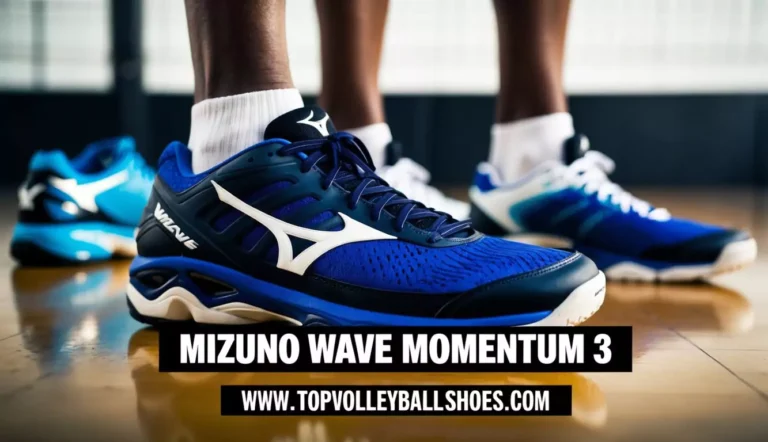
4. Mizuno Wave Momentum 3 — Best for Stability
Want more support underfoot without giving up quickness? The Wave Momentum 3 is the sweet spot. Its Wave plate spreads impact across the foot for stable landings while ENERZY foam keeps long matches comfortable. It’s my go-to recommendation for setters who value balance over pure speed, and the slightly roomier fit suits players with medium-to-wide feet.

| Pros | Cons |
|---|---|
| Excellent stability and support | Heavier than the Neo 3 |
| Comfortable for long sessions | Understated styling |
| Roomier, wide-friendly fit | Less springy than top-end models |
👉 Full details in our Mizuno Wave Momentum 3 review.
5. ASICS Gel-Rocket 11 — Best Budget Pick
Setting on a budget? The Gel-Rocket 11 is the best value in volleyball footwear, full stop. It’s light, breathable, and grippy enough for quick footwork, with just enough heel GEL to protect your joints. It’s the shoe I hand new setters and club players who don’t want to spend big, and it makes a reliable second pair too. It punches well above its price — a perennial best-seller for good reason.

| Pros | Cons |
|---|---|
| Outstanding value | Less cushioning than premium models |
| Lightweight and breathable | Thinner upper materials |
| Great grip for the price | Basic styling |
👉 Read the full ASICS Gel-Rocket 11 review.
6. Nike Zoom HyperAce 2 (Women’s) — Best for Women Setters
Built around the female foot shape, the Women’s Zoom HyperAce 2 gives you a secure, comfortable fit with dependable cushioning and traction. It’s a proven, well-loved shoe for women setters who want reliability match after match. The supportive midfoot and grippy outsole make it easy to move quickly and set from a stable base, and it holds up impressively across a long season.

| Pros | Cons |
|---|---|
| Women’s-specific fit | Fewer color options |
| Comfortable, secure lockdown | Mid-tier cushioning |
| Durable indoor traction | Not the lightest option |
👉 See our full Nike Women’s Zoom HyperAce 2 review.
7. Mizuno Wave Lightning Neo 2 — Best Value Speed Shoe
Want that lightning-fast Mizuno feel without paying flagship money? The Neo 2 is the previous generation of our top pick and still an outstanding setter shoe. It’s light, quick, and grippy, with a comfortable knit upper and responsive cushioning. Now that the Neo 3 is out, the Neo 2 regularly turns up discounted — which makes it one of the smartest buys on this whole list for speed-focused setters. Just grab your size before stock winds down.

| Pros | Cons |
|---|---|
| Fast, lightweight feel | Previous-generation model |
| Often discounted vs. Neo 3 | Availability varies by size |
| Comfortable knit upper | Snug, narrow-ish fit |
👉 Read the full Mizuno Wave Lightning Neo 2 review.
8. ASICS Upcourt 6 — Best Entry-Level All-Rounder
The Upcourt 6 is a versatile, affordable court shoe that suits new and intermediate setters who want comfort and a roomier toe box. It’s light, breathable, and grippy on indoor floors, with enough cushioning for casual and club play. If the Gel-Rocket feels too narrow for you, the Upcourt 6 is the forgiving alternative at a similar price. One tip: it runs small, so order a half size up.

| Pros | Cons |
|---|---|
| Comfortable, roomier fit | Not built for elite-level play |
| Affordable and versatile | Runs small — size up half |
| Breathable mesh upper | Basic cushioning |
👉 See the full ASICS Upcourt 6 review.
9. Mizuno Wave Momentum 3 Mid — Best for Ankle Support
Setters who block front-row or have a history of rolled ankles should look hard at the mid-top Momentum 3. It adds a supportive collar around the ankle without piling on weight, giving you extra confidence on landings and lateral reaches. You keep the stable Wave platform and ENERZY comfort, just with more lockdown up top — a smart pick for taller setters who play all the way around.

| Pros | Cons |
|---|---|
| Added mid-top ankle support | Heavier than low-tops |
| Stable, comfortable platform | Warmer around the ankle |
| Confident on landings | Less freedom for pure speed |
👉 Full details in our Mizuno Wave Momentum 3 Mid review.
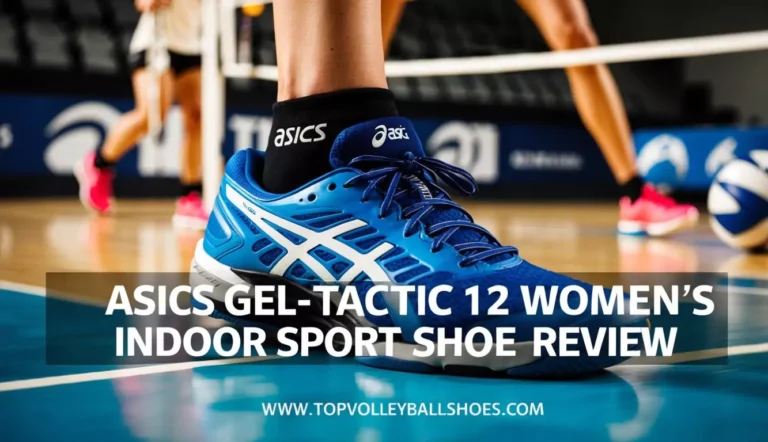
10. ASICS Gel-Tactic 12 — Best for Training & Multi-Sport
Rounding out the list, the Gel-Tactic 12 is a comfortable, stable indoor shoe that’s ideal for setters who train hard and play multiple court sports. You get dependable front-and-rear GEL cushioning, a secure fit, and solid traction at a mid-range price. It’s not the flashiest shoe here, but it’s a dependable workhorse for practices, drills, and match play alike. (Heads up: ASICS is rolling out the Gel-Tactic 13, so the 12 may show up discounted.)

| Pros | Cons |
|---|---|
| Front + rear GEL cushioning | Slightly heavier |
| Great for training and drills | Being succeeded by the Gel-Tactic 13 |
| Versatile across court sports | Conservative styling |
👉 Read the full ASICS Gel-Tactic 12 review.
Quick Comparison Table
| Shoe | Best For | Height | Standout |
|---|---|---|---|
| Mizuno Wave Lightning Neo 3 | Overall / speed | Low | Lightest, quickest |
| Nike Zoom Hyperset 2 | Responsiveness | Mid | Zoom Air bounce |
| ASICS Sky Elite FF 2 | Premium all-round | Low | Explosive jump support |
| Mizuno Wave Momentum 3 | Stability | Low | Balanced support |
| ASICS Gel-Rocket 11 | Budget | Low | Best value |
| Nike Zoom HyperAce 2 (W) | Women setters | Low | Women’s-specific fit |
| Mizuno Wave Lightning Neo 2 | Value speed | Low | Fast, often discounted |
| ASICS Upcourt 6 | Entry-level | Low | Roomy, versatile |
| Mizuno Wave Momentum 3 Mid | Ankle support | Mid | Front-row confidence |
| ASICS Gel-Tactic 12 | Training | Low | Durable workhorse |
Sizing Notes for Setters, by Brand
Fit is where most setters go wrong, so a quick brand cheat-sheet from testing these on a lot of different feet:
- Mizuno runs narrower and form-fitting, with a slightly higher arch. True to length for most, but wide feet should try before buying. Remember Mizuno uses unisex sizing — women typically subtract about 1.5 from their US size.
- Nike (Hyperset 2, HyperAce 2) runs snug with a narrow toe box. I’d order a half size up, especially with wider feet.
- ASICS is generally the most accommodating and wider, but the Upcourt specifically runs small — size up a half. The Gel-Rocket fits closer to true.
Always try shoes on with your game socks, later in the day when your feet are slightly swollen, and leave about a thumbnail of room at the toe. More in our fit guide.
How We Test
These rankings come from on-court play and drills, not spec sheets alone. We evaluate each shoe for weight, plant-and-cut traction, cushioning feel on repeated jump sets, midfoot lockdown, breathability, and how the outsole and upper hold up over weeks of use. We prioritize models that are currently available and flag anything being phased out, and we re-check prices and stock before recommending — footwear pricing moves constantly, so treat any figures as a snapshot.
Setter Footwork Tips to Get the Most From Your Shoes
Even the best shoe only helps if your footwork is dialed in. Focus on a quick split-step as the ball is passed, staying on the balls of your feet so you can push off in any direction. Keep your base stable when you square up, and use short, choppy steps to fine-tune your position instead of long lunges that leave you off balance. And replace your shoes when the outsole tread smooths out — worn grip is the number-one cause of slips on the plant, and no amount of technique fixes a bald sole.
Frequently Asked Questions
What kind of shoes do volleyball setters wear?
Setters wear lightweight indoor court shoes with grippy, non-marking gum-rubber outsoles and responsive cushioning. Because setters move to nearly every second ball, a lighter shoe with a quick first step matters more than heavy cushioning.
Are setter shoes different from hitter shoes?
They overlap, but setters generally favor lighter, quicker shoes for constant movement, while hitters prioritize maximum cushioning and jump support for repeated hard landings. All-round models like the ASICS Sky Elite FF 2 work well for both.
Do setters need high-top or low-top shoes?
Most setters prefer low or mid-tops for freedom of movement. If you set front-row and block often, a mid-top like the Mizuno Wave Momentum 3 Mid adds ankle support without much weight penalty.
How much should I spend on volleyball shoes for setting?
Budget models like the ASICS Gel-Rocket 11 or Upcourt 6 perform well for club and recreational setters. Competitive players benefit from premium models like the Mizuno Wave Lightning Neo 3 that last longer and offer better cushioning and grip.
How often should setters replace their volleyball shoes?
Most regular players replace shoes every 6–12 months, or sooner if the tread smooths out. Since setters rely heavily on traction for quick plants and pivots, worn grip is the clearest sign it’s time for a new pair.
Can I use these shoes for other indoor sports?
Yes. Most work well for badminton, pickleball, and squash thanks to their non-marking outsoles. Just keep them indoors — outdoor surfaces wear the soles down quickly.
As an Amazon Associate, I earn from qualifying purchases. Prices and availability may change. This article is informational and reflects hands-on testing and research; it isn’t medical advice.
As a US hitter with a passion for volleyball, I bring firsthand experience and insight into what makes the best volleyball shoes stand out. From powerful spikes to swift court movements, I know how crucial the right footwear is for peak performance.