How Should Volleyball Shoes Fit? Comprehensive Guide
Choosing the right volleyball shoes has a direct effect on how you play. The right fit gives you the support and comfort you need to play at your best.
With so many options out there, knowing how shoes should fit helps you avoid the common mistakes.
When looking for volleyball shoes, make sure they feel snug but not too tight. You want enough space for your toes and a heel that stays locked in place.
Details like width and arch support make a real difference in comfort and safety during play.
Once you know how volleyball shoes should fit, choosing a pair gets a lot easier.
Key Takeaways
- A proper fit ensures better performance and reduces the risk of injury.
- Look for shoes that provide the right support for your foot type.
- Size and comfort play key roles in finding the perfect volleyball shoe.
Essential Features of Volleyball Shoes
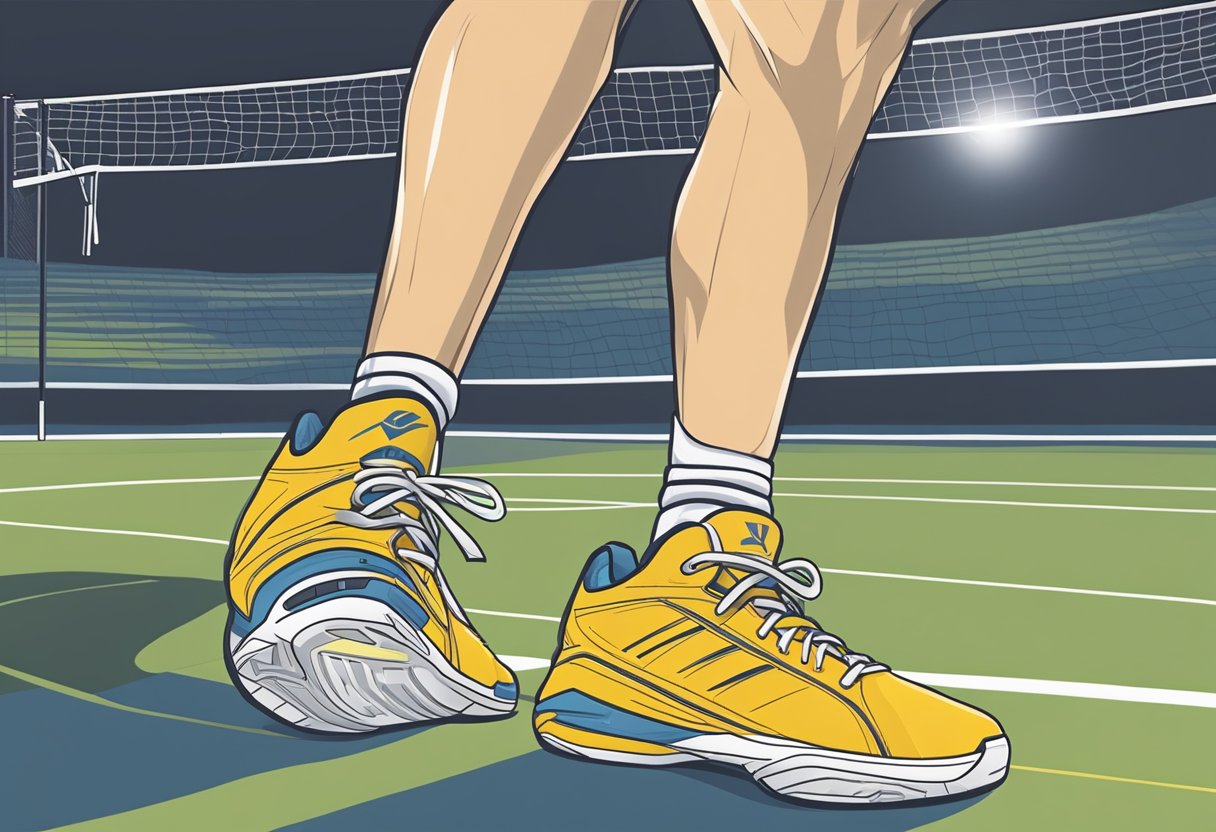
When choosing volleyball shoes, a few features matter most. The right materials, cushioning, support, and grip let you move quickly and safely during games.
Material and Ventilation
The material of volleyball shoes drives both comfort and durability.
High-quality shoes often use synthetic fabrics or mesh, which provide excellent breathability. This helps keep your feet cool during intense matches.
Lightweight materials contribute to better agility. A significant amount of time is spent jumping and moving quickly. Therefore, shoes that are too heavy can hinder your performance. Look for shoes that combine strength and lightweight features.
Ventilation is equally important. Shoes with adequate airflow prevent moisture build-up. Keeping your feet dry reduces the risk of blisters and uncomfortable odors.
Cushioning and Shock Absorption
Cushioning soaks up the impact from jumps and dives.
Foam padding in the midsole area can reduce stress on your feet and joints. That protection adds up over a season.
When trying on shoes, pay attention to how they feel when you land. Good volleyball shoes should provide a balance of softness and firmness. This allows for quick movements while still protecting against impacts.
Shock absorption technology often includes air or gel pockets within the sole. These make each jump and landing feel softer. Look for shoes built with them if comfort is your priority.
Stability and Ankle Support
Stability is critical for quick lateral movements in volleyball.
Look for shoes with a wider base and a contoured sole. These features help maintain balance as you move swiftly across the court.
Ankle support is another key aspect.
Some shoes come with mid-top designs, which wrap around the ankle for extra support. This can help prevent twists and sprains, especially during intense games.
When selecting shoes, make sure they fit snugly around the heel and midfoot, while allowing for some room at the toes. This fit ensures stability without sacrificing comfort.
Grip and Traction
A good grip is necessary for effective movement on the court.
Volleyball shoes should have a gum rubber sole, which provides the best traction on indoor surfaces. This material is designed to grip the floor without leaving scuff marks.
Look for shoes with a tread pattern that improves grip during quick turns and stops. Check the depth and design of the sole to ensure it can handle sudden changes in direction.
Traction is not just about stopping; it’s also about being able to start quickly.
This feature allows you to react faster and take advantage of game opportunities. Make sure to try your shoes on a suitable surface to test their grip before making a decision.
Proper Fit and Sizing
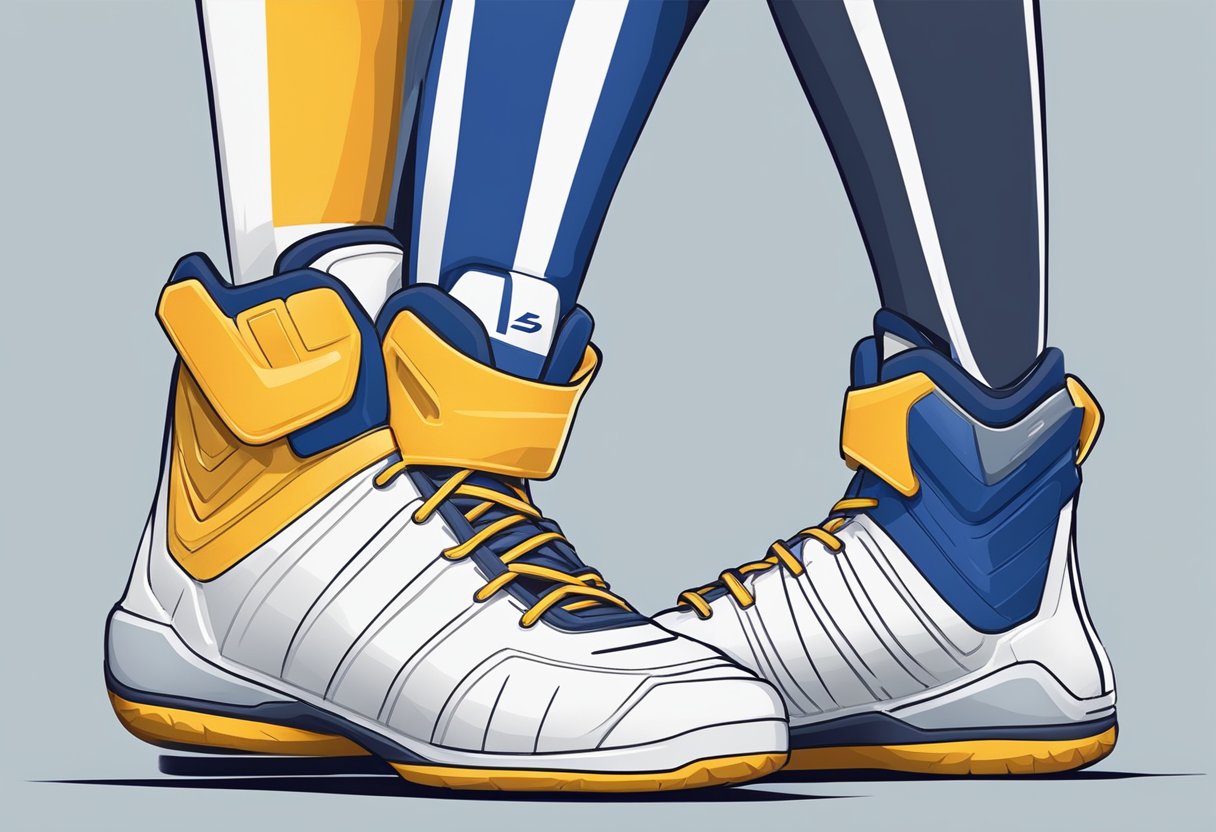
Fit decides how a shoe feels after two hours on court. Length, width, heel security, and flexibility are the main things to check.
Length and Toe Room
Length is the first thing to get right.
Your toes should lightly touch the front of the shoe when you stand. There should be about a thumb’s width of space from your longest toe to the end of the shoe. This allows for some movement without being cramped.
For beginners, proper length is even more important. A good fit helps reduce the chance of blisters and discomfort during play.
When trying on shoes, wear the same socks you’ll use while playing. Check both shoes, as one foot may be slightly longer than the other.
Width and Foot Shape
Width and foot shape matter just as much as length.
Shoes should feel snug but not tight across the widest part of your foot. If your foot shape is flat or wide, look for brands that offer a wider fit or specific models designed for those shapes.
Many volleyball shoes have lacing systems that allow you to adjust the fit easily. For beginners, it’s helpful to try on several brands, as sizing can vary significantly. Make sure your foot does not spill over the edges and that you feel secure in each pair.
Heel Security
A secure heel keeps you stable during play.
Your heel should fit comfortably inside the shoe without slipping. A loose heel can lead to blisters or injuries while moving quickly on the court.
Look for features like cushioned collars and supportive heel counters that hold your foot in place.
When trying on shoes, jump and run a bit to ensure your heel stays snug. This is especially important for beginners, as a secure fit helps boost confidence during games.
Flexibility and Movement
Shoes should allow for natural movement of your foot.
Look for flexibility in the forefoot so you can make the quick lateral movements the game asks for. The sole should provide enough grip for traction on the court.
Try bending the shoe at the toe and heel; it should bend easily without being overly rigid.
Shoes that are too stiff cause discomfort and limit your agility. Beginners should choose shoes that comfortably support their playing style while allowing for growth and adaptation.
Frequently Asked Questions
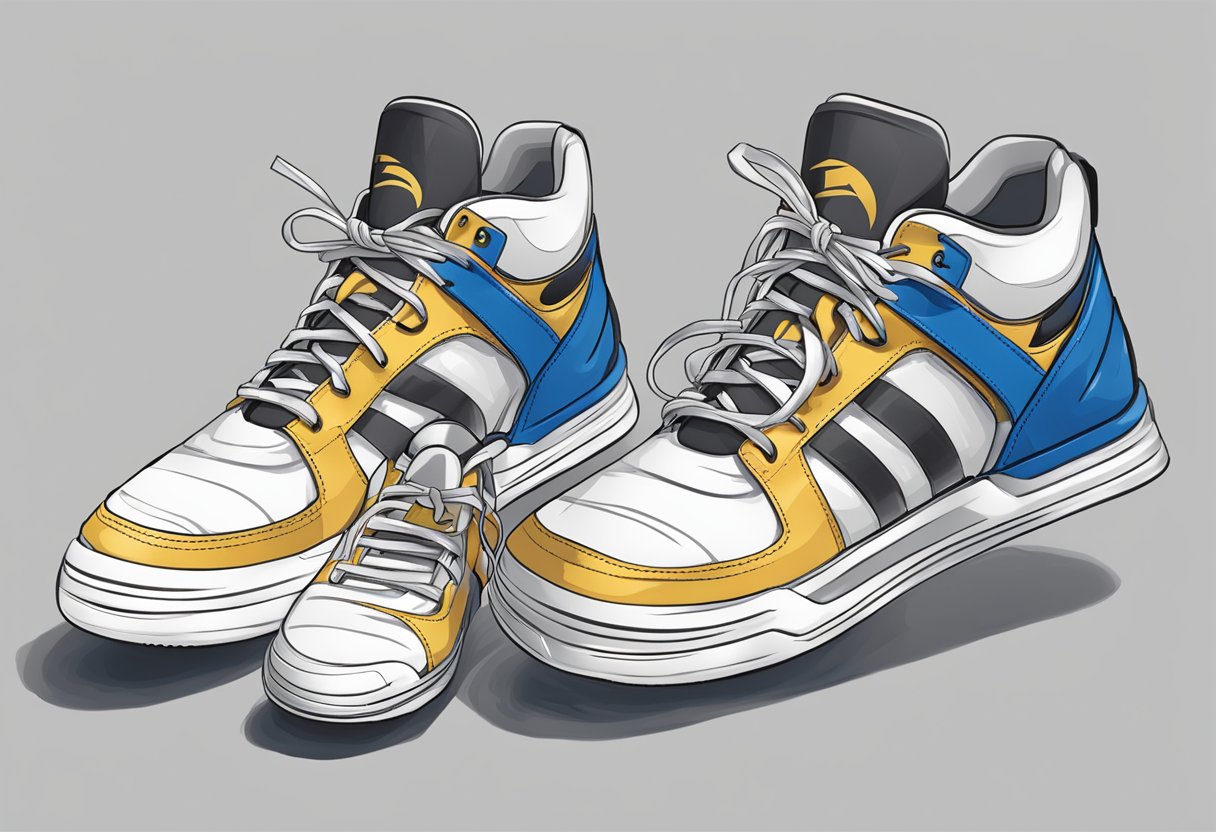
Finding the right fit for volleyball shoes can be confusing. The questions below cover how tight is too tight, differences between men’s and women’s models, advice for beginners, grip, and break-in time.
Should volleyball shoes be tighter or looser for optimal performance?
Volleyball shoes should fit snugly without being too tight. Your toes should just touch the front of the shoe, allowing for movement without discomfort. This helps provide support and stability during play.
What features indicate a proper fit for women’s volleyball shoes?
For women’s volleyball shoes, look for a snug heel and midfoot area. The toe box should allow your toes to wiggle slightly. Good cushioning also matters for absorbing shock during jumps and landings.
Are there specific fit guidelines for men’s volleyball shoes in volleyball?
Men’s volleyball shoes should have a secure fit around the heel with enough room in the toe box. You should have a finger’s width between your longest toe and the shoe’s end. This balance provides comfort during quick movements on the court.
How is the correct fit for volleyball shoes determined for beginners?
Beginners should try on shoes at the end of the day when their feet are slightly swollen. This helps ensure a better fit.
It’s important to test shoes while jumping and moving to see how they feel in action.
How important is grip in determining the fit of volleyball shoes?
Grip affects your stability and control on the court more than any other single feature.
A good fit also aids grip, allowing your foot to stay securely in place. Look for a shoe with a rubber sole designed for indoor surfaces.
Do new volleyball shoes require a break-in period for best fit and comfort?
Yes, new volleyball shoes often need a break-in period. This usually takes one to two weeks of regular use.
That gives the materials time to adapt to the shape of your foot.

As a US hitter with a passion for volleyball, I bring firsthand experience and insight into what makes the best volleyball shoes stand out. From powerful spikes to swift court movements, I know how crucial the right footwear is for peak performance.