
How to Clean Volleyball Shoes: Step by Step Guide
Keeping your volleyball shoes clean makes a real difference in how they perform and how long they last. Regular upkeep keeps the support and traction where you need them on court. Maybe you just finished a sweaty practice, or maybe you played on a muddy field. Either way, a quick clean prevents odors and damage.
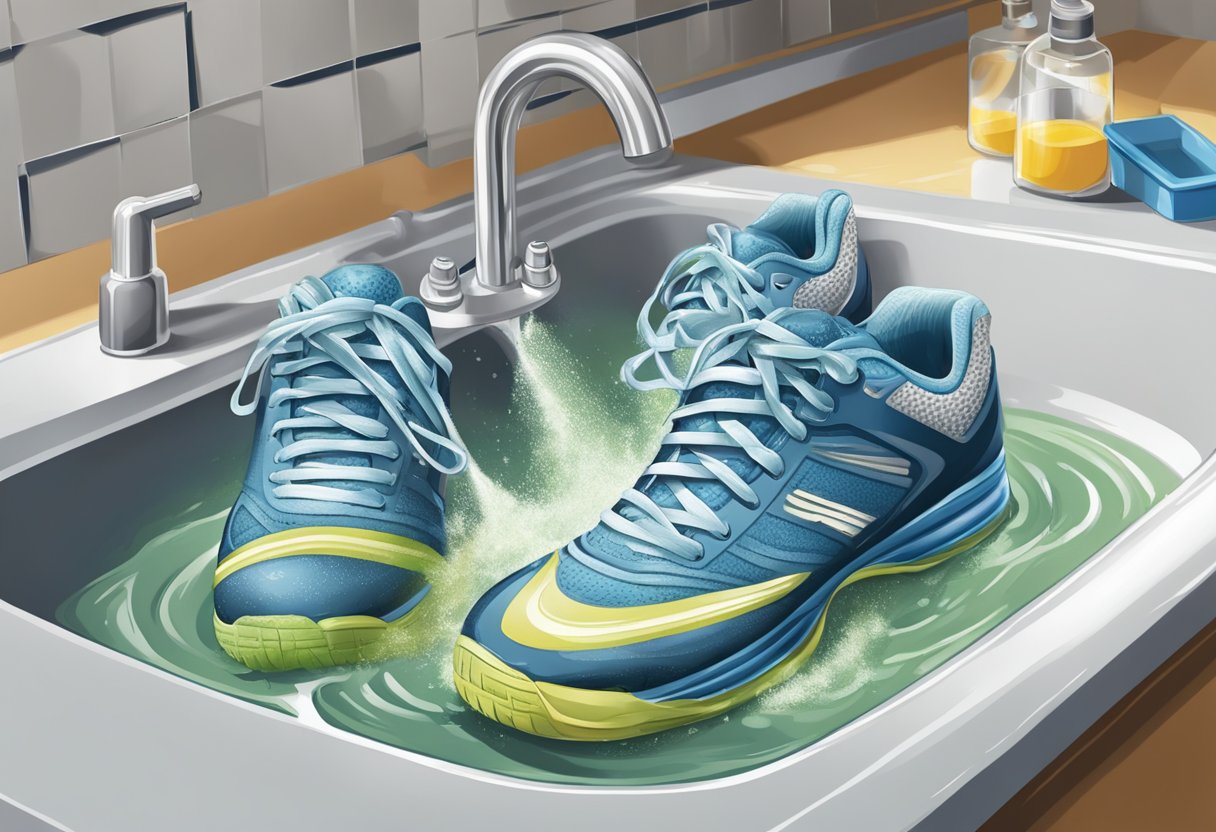
You don’t need expensive products or complicated methods to clean your volleyball shoes. Simple techniques using common household items can do the job well. The right steps keep your shoes looking fresh and playing like they should.
Key Takeaways
- Regular cleaning prevents smells and bacteria in your volleyball shoes.
- Use simple techniques for effective cleaning without fancy products.
- Proper care extends the life of your footwear, keeping you on the court longer.
Best Way to Clean Volleyball Shoes Step by Step
Cleaning your volleyball shoes starts with careful preparation. Taking the right steps helps avoid damage and ensures they look great and last longer. Focus on gathering materials and removing dirt effectively for the best results.
1. Gathering Necessary Materials
Before you start cleaning, gather all the materials you’ll need. It goes faster when you’re not hunting for supplies mid-scrub. Here’s a list of what to collect:
- Soft-bristled brush: This gets dirt off without scratching the surface.
- Cleaning solution: Use a mild detergent or a shoe cleaner that is safe for your shoe’s material.
- Towel: A clean towel is useful for drying your shoes and wiping away excess dirt.
- Water: Have a bowl or bucket of water ready for rinsing.
- Old newspaper or paper towels: Use these to stuff your shoes while drying to maintain their shape.
You can buy all these accessories from Amazon by clicking on this link.
Having everything on hand saves time.
2. Removing Loose Dirt and Debris
Begin the cleaning process by removing loose dirt and debris from your shoes. Start by taking your soft-bristled brush and gently scrub the outer surfaces. Pay extra attention to the soles, where dirt builds up more.
Next, check the insides of your shoes. Shake them or use the brush to get rid of any loose particles. For stubborn spots, a damp towel can help lift dirt.
Do this step before using any cleaning solution. This prevents dirt from smudging and makes the actual cleaning much more effective. Now the shoes are ready for a proper wash.
Detailed Cleaning Process for Volleyball Shoes
Cleaning your volleyball shoes keeps them performing well and lasting longer. The process comes down to properly washing your shoes, then letting them dry and get their shape back.
Washing the Shoes
Start by removing the shoelaces and insoles from your volleyball shoes. This step allows you to clean each part more thoroughly. Use a soft brush or dry cloth to remove loose dirt and debris from the surfaces.
Next, prepare a cleaning solution with warm water and a mild detergent. Dip a clean cloth into this solution and wring it out to prevent excess moisture. Gently scrub the shoe’s exterior, focusing on areas with stains or marks.
For tougher stains, you may need to apply a mixture of water and detergent directly to the spot. Rinse the cloth and wipe away any soap residue from the shoes. Finally, ensure that you clean the insoles separately and allow them to dry completely before putting them back in the shoes.
Drying and Conditioning
Once you finish washing, it’s time to dry your volleyball shoes properly. Avoid using direct heat sources like hair dryers or radiators, as they can damage the materials. Instead, stuff your shoes with crumpled newspaper or paper towels to absorb moisture and help them maintain their shape.
Place your shoes in a well-ventilated area, away from direct sunlight, so they dry evenly. It can take up to 24 hours for them to dry completely.
After drying, consider applying a shoe conditioner specifically designed for the materials used in your shoes. It restores moisture and flexibility so the shoes stay comfortable for your next game.
Frequently Asked Questions
Cleaning volleyball shoes can be tricky. Here are the questions I hear most about keeping your shoes in great shape.
How to clean volleyball shoes in the washing machine?
To clean volleyball shoes in the washing machine, first check the manufacturer’s instructions. Remove the shoelaces and insoles to prevent damage. Use a gentle cycle with cold water and a mild detergent. Place the shoes in a mesh bag for added protection.
How to clean volleyball shoes with baking soda?
To clean your volleyball shoes with baking soda, start by removing excess dirt. Mix one tablespoon of baking soda with water to form a paste. Apply this paste to dirty areas and scrub with an old toothbrush. Rinse thoroughly when done.
Can you wash volleyball shoes in the washer?
Yes, you can wash volleyball shoes in the washer, but only if the manufacturer allows it. Always follow care instructions to avoid damaging your shoes. Use a gentle cycle and cold water to help maintain their shape and quality.
How do I make my volleyball shoes sticky again?
To make your volleyball shoes sticky again, clean the soles regularly to remove dirt and debris. Use a damp cloth or a sponge with mild soap. You can also use a grip spray made for athletic shoes.
How to clean stinky volleyball shoes?
To clean stinky volleyball shoes, sprinkle baking soda inside the shoes and let it sit overnight. This helps absorb odors. You can also wipe the inside with a mixture of water and vinegar, then let the shoes air out completely.
How to make volleyball shoes white again?
To make your volleyball shoes white again, make a paste with baking soda and water. Apply it to stained areas and scrub gently. You can also use a whitening shoe cleaner. Rinse well and let them dry in a shaded area to avoid discoloration.

As a US hitter with a passion for volleyball, I bring firsthand experience and insight into what makes the best volleyball shoes stand out. From powerful spikes to swift court movements, I know how crucial the right footwear is for peak performance.