ASICS Upcourt 6 vs Upcourt 5: Which Should You Buy?
The ASICS Upcourt is one of the most popular budget volleyball shoes in the world — comfortable, roomy, grippy, and cheap. If you’re deciding between the newer Upcourt 6 and the outgoing Upcourt 5, the honest short answer is that these two shoes are very close cousins, and the right pick usually comes down to price. This comparison breaks down what changed, what didn’t, and which one is the smarter buy for you.
⚡ Quick Verdict
Buy the Upcourt 6 for the newest version with the latest minor refinements and easiest availability. Buy the Upcourt 5 if it’s cheaper in your size — the performance is nearly identical, so the discount usually wins.


At a Glance
| Feature | Upcourt 6 | Upcourt 5 |
|---|---|---|
| Generation | Newer (current) | Previous |
| Price | Budget | Budget (often lower) |
| Weight | Light | Light |
| Fit | Roomy, runs small | Roomy, runs small |
| Cushioning | Basic EVA | Basic EVA |
| Traction | Non-marking gum | Non-marking gum |
| Best for | Beginners, budget, wide feet | Same, on a tighter budget |
What Changed From Upcourt 5 to Upcourt 6
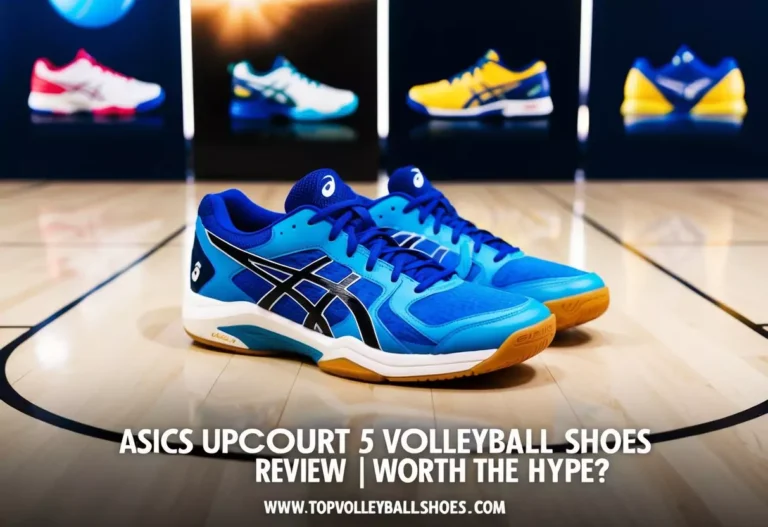
Like most budget-line updates, the jump from Upcourt 5 to 6 is evolutionary. ASICS refreshed the upper design and made minor tweaks, but the formula that made the Upcourt popular is untouched: a light, breathable build, a comfortable and forgiving fit, non-marking gum-rubber traction, and a wallet-friendly price. There’s no dramatic performance leap here — if you loved the 5, you’ll love the 6, and vice versa.
Fit & Comfort
Both shoes share the Upcourt’s biggest selling point: a roomy, forgiving fit that’s noticeably more accommodating than narrow Mizuno or Nike models. That makes either one a strong choice for beginners, wider feet, or anyone who just wants a comfortable shoe. Both also run slightly small in length, so order a half size up in either generation. If width is a priority, see our wide-feet guide.
Cushioning & Support
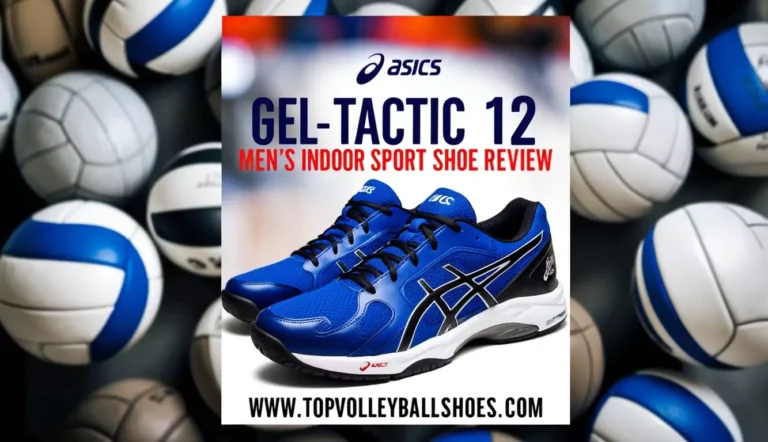
Both use basic EVA foam cushioning — enough to protect on landings for club and recreational play, but not a plush or high-tech setup. That’s expected at this price. Heavy jumpers who want more cushioning should step up to the ASICS Gel-Tactic 12, which adds GEL. Between the 5 and 6, cushioning feel is effectively the same.
Traction
Both deliver reliable non-marking gum-rubber grip that handles clean indoor courts well. It’s not the elite, stop-on-a-dime traction of a Mizuno XG outsole, but it’s more than enough for the level these shoes are built for. No meaningful difference between generations.
Weight & Breathability
Both are light and airy, with breathable mesh uppers that keep your feet cool during long sessions. Neither is a heavy shoe, and any weight difference between the two is imperceptible on court.
Durability
These are entry-level shoes, so the materials are thinner than premium models and the tread wears faster with heavy use — true of both generations equally. For club and recreational play they hold up fine through a season; just replace them once the grip smooths out, since worn traction is the top cause of slips.
Price & Value
Here’s where the choice is usually settled. The Upcourt 6, as the current model, sits at the standard budget price. The Upcourt 5, now being phased out, frequently sells for even less. Because the two perform so similarly, a discounted Upcourt 5 is one of the best value buys in volleyball footwear — grab it if it’s cheaper in your size. If prices are close, or the 5 is sold out in your size, the 6 is the easy pick.
Which Should You Buy?
- Buy the Upcourt 6 if you want the current model with the latest refinements and the widest size availability, or if the price gap is small.
- Buy the Upcourt 5 if it’s discounted in your size — you get essentially the same comfortable, grippy, roomy shoe for less money.
Both are outstanding first shoes and budget picks. See where they land in our beginner guide and under-$100 guide.
How We Compare
This comparison is based on on-court play and hands-on testing, not spec sheets alone. We weigh fit and comfort, cushioning, traction, weight, breathability, and durability, then factor in current pricing and availability. Since the Upcourt 5’s discount is central to its appeal, treat any pricing as a snapshot and check current numbers before buying.
Frequently Asked Questions
Is the Upcourt 6 better than the Upcourt 5?
The Upcourt 6 is the newer model with a refreshed upper and minor tweaks, but on-court performance is nearly identical. “Better” mostly depends on which is cheaper in your size.
Is the Upcourt 5 still worth buying?
Yes. It performs almost the same as the 6 and is often discounted as it’s phased out, making it an excellent budget value.
Do the Upcourt 5 and 6 run small?
Yes, both run slightly small in length. Order a half size up in either generation for the best fit.
Are Upcourt shoes good for wide feet?
Yes — both share the Upcourt’s roomy, forgiving fit, which is more accommodating than narrow Mizuno or Nike models.
As an Amazon Associate, I earn from qualifying purchases. Prices and availability may change.

As a US hitter with a passion for volleyball, I bring firsthand experience and insight into what makes the best volleyball shoes stand out. From powerful spikes to swift court movements, I know how crucial the right footwear is for peak performance.