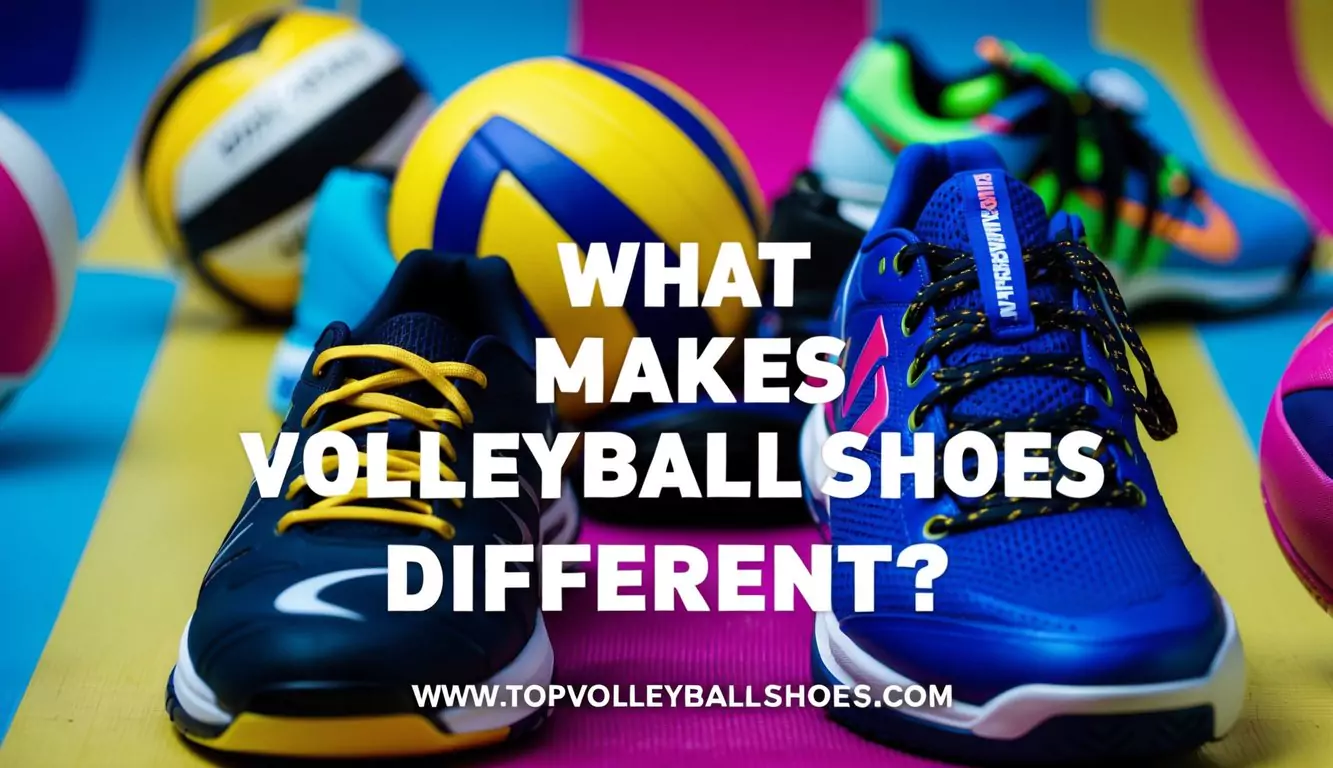
What Makes Volleyball Shoes Different From Other Shoes?
In volleyball, your footwear affects your game more than most players give it credit for.
Volleyball shoes are specifically designed to provide support, grip, and stability that differ significantly from other athletic shoes, such as basketball or running shoes.
That design lets you move quickly and safely through the lateral cuts and jumps the game runs on.
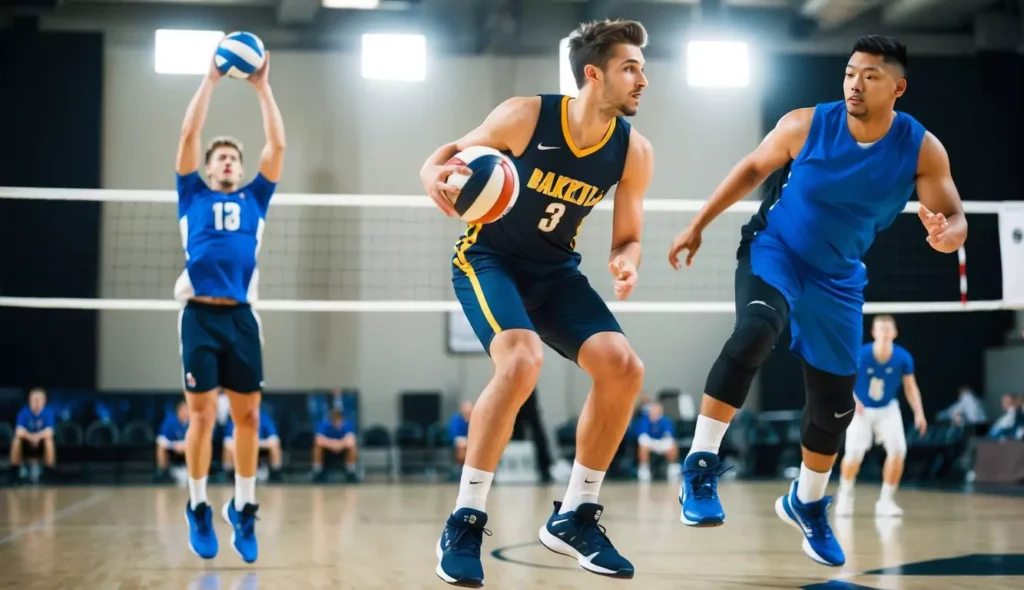
Unlike running shoes, which focus on forward motion, volleyball shoes provide traction for multidirectional movement on smooth surfaces.
They also have thicker soles and tougher builds to handle the wear and tear of indoor courts.
Knowing the differences helps when you shop for your next pair.
The right volleyball shoes make you quicker on court and lower your injury risk.
With the right shoes, you feel planted and quick, and you stop second-guessing your footing.
Key Takeaways
- Volleyball shoes offer support and stability unique to the sport.
- They feature specialized designs for better grip on indoor courts.
- Using proper footwear can improve performance and reduce injury risk.
What Makes Volleyball Shoes Different from Basketball and Sports Shoes
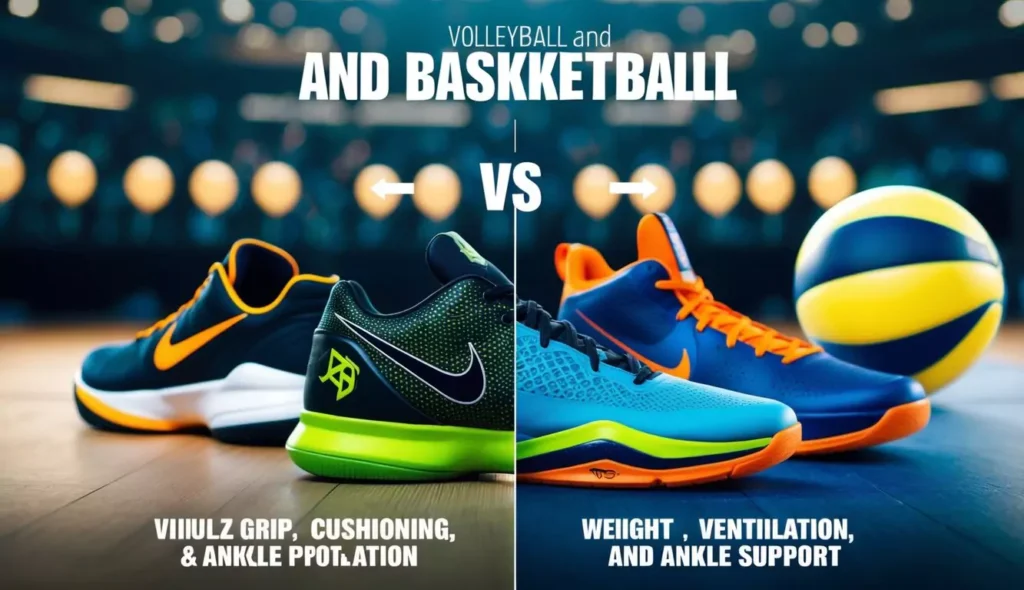
Volleyball shoes are specifically designed to support the unique movements of the game. The main differences come down to grip, cushioning, weight, and support.
| Feature | Volleyball Shoes | Basketball Shoes | Sports Shoes |
|---|---|---|---|
| Grip and Stability | Excellent grip for lateral movement | Good grip, mainly forward motion | Moderate grip across activities |
| Cushioning | Cushioned throughout for jumps | Thicker but varied for all motions | General cushioning; less specific |
| Weight | Lightweight for agility | Bulkier for added support | Heavier, less specialized |
| Ventilation | Good breathability with mesh panels | Less emphasis on breathability | Adequate, but not specific |
| Ankle Support | Low-cut for freedom of movement | High-tops for extra ankle support | Moderate support |
Enhanced Grip and Stability
Volleyball shoes focus on providing excellent grip for quick lateral movements. The outsoles are made with rubber compounds that offer superior traction on indoor surfaces. That control matters most during jumps and quick changes in direction.
In contrast, basketball shoes prioritize grip but also include features for forward motion, often resulting in a different sole design. This can limit the lateral stability volleyball demands.
Shock Absorption and Cushioning
Cushioning in volleyball shoes is designed for repeated jumping and landing.
The soles offer cushioning that runs throughout the shoe, making it ideal for continuous impact on the court. This helps in reducing fatigue during long matches.
Basketball shoes, on the other hand, have thicker soles but vary in cushioning, focusing on multidirectional movements plus sudden stops.
Sports shoes generally offer less specialized cushioning, making them less effective for volleyball-specific needs.
Lightweight and Flexible Design
The design of volleyball shoes is typically lightweight to keep you agile.
This allows you to move quickly and jump effectively without being weighed down. Flexibility in the sole helps you adapt to quick movements volleyball demands.
Basketball shoes are generally bulkier due to added support features.
Sports shoes can also be heavier since they encompass various activities and don’t provide the same level of specialized flexibility.
Ventilation and Breathability
Volleyball shoes often include mesh panels for ventilation. This helps keep your feet cool and dry during intense play. Good airflow keeps your feet comfortable and stops them from overheating.
In comparison, basketball shoes may not emphasize breathability as much, focusing instead on ankle support. Sports shoes might offer adequate ventilation, but they seldom match the targeted designs found in volleyball shoes.
Ankle and Arch Support
Volleyball shoes provide targeted arch support to help with stability during jumps. Many designs are low-cut, allowing for a greater range of motion and less restriction around the ankle.
Basketball shoes usually feature high-tops for better ankle support due to the jumping and lateral movements in basketball. Sports shoes may provide moderate support but lack the specific design to cater to volleyball’s unique demands.
Frequently Asked Questions

Volleyball shoes are built for the specific demands of the sport: jumping, landing, and constant lateral movement. Here are the questions people ask most about them.
What Makes Volleyball Shoes Different from regular athletic footwear?
Volleyball shoes typically have a unique sole made for grip on indoor surfaces.
They are lightweight, making it easier for you to move quickly. Additional features include reinforced toe caps for protection and extra ankle support to prevent injuries during play.
How do volleyball shoes improve performance on the court?
The specialized grip of volleyball shoes allows for better traction during quick movements.
This helps you change direction swiftly and maintain stability. The lightweight design also speeds up your footwork, and volleyball is a footwork game.
Are there specific design aspects of volleyball shoes that support jumping and agility?
Yes, volleyball shoes are designed with cushioning that absorbs impact during jumps.
This helps reduce stress on your joints. The soles often have a herringbone pattern that makes lateral movements smoother.
What are the benefits of having dedicated shoes for volleyball?
Having dedicated volleyball shoes can improve your overall performance.
They give you the support and traction the game calls for, and they cut down on the injuries that come with wearing the wrong footwear.
How do the soles of volleyball shoes differ from those of other sports shoes?
The soles of volleyball shoes are engineered for superior grip on smooth court surfaces.
They often use a rubber outsole for extra traction. Unlike running shoes, which may prioritize cushioning for forward movement, volleyball shoes focus on lateral stability.
Can volleyball shoes provide an advantage in terms of injury prevention?
Yes, volleyball shoes can reduce the chance of injuries. They offer better ankle support and cushioning to protect against impact. The design helps keep your foot steady during sudden movements. That goes a long way toward preventing twists and sprains.

As a US hitter with a passion for volleyball, I bring firsthand experience and insight into what makes the best volleyball shoes stand out. From powerful spikes to swift court movements, I know how crucial the right footwear is for peak performance.