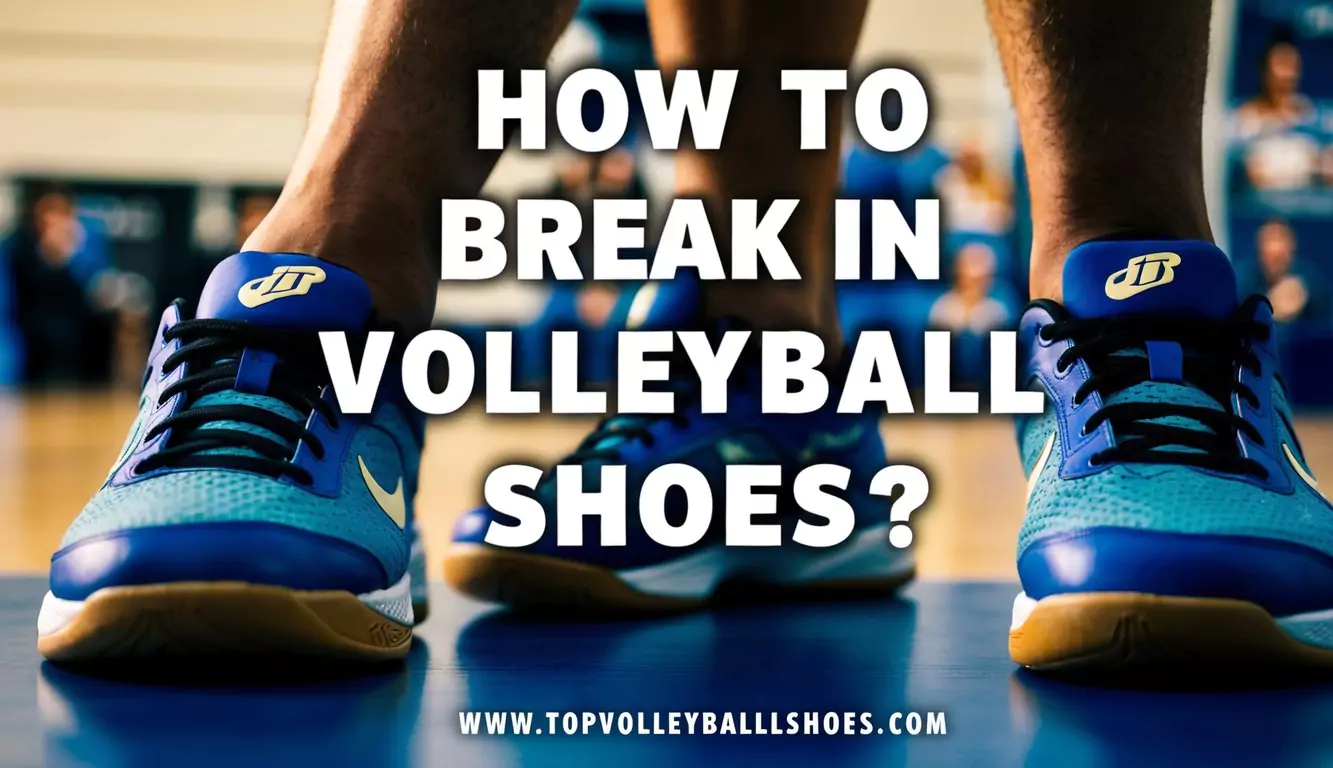
How to Break in Volleyball Shoes? Essential Tips for Volleyall Players
Breaking in your new volleyball shoes saves you a lot of discomfort in those first few matches.
Properly breaking in your volleyball shoes helps them fit better, reduces discomfort, and keeps you agile and stable during games.
If you skip this process, you may find your shoes stiff and painful, impacting your performance.
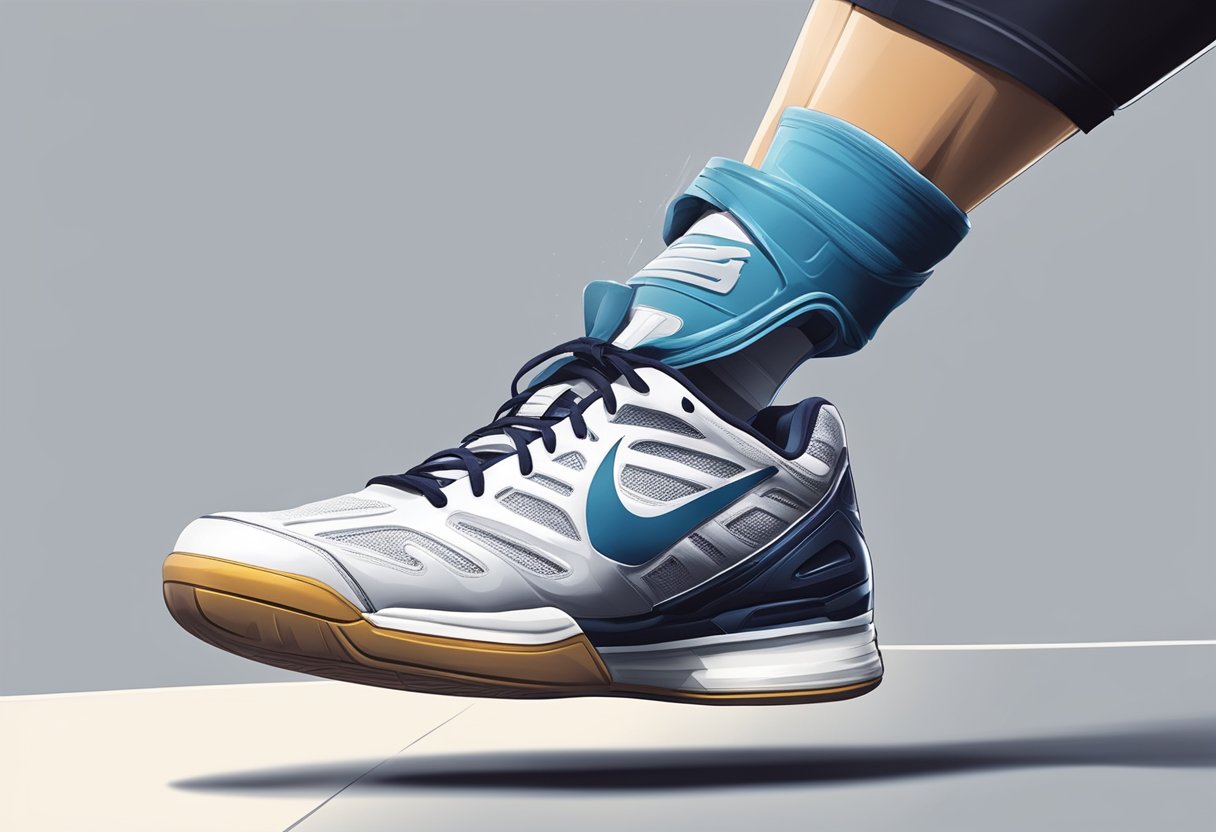
To break them in, try wearing them at home, using heat for stretching, or even using shoe stretchers.
These techniques will help soften the materials and mold the shoes to your feet, making them more comfortable for the quick movements the game demands.
Key Takeaways
- Breaking in volleyball shoes pays off in comfort and performance.
- Techniques include wearing them around the house and using controlled heat.
- A good fit keeps you agile and stable on the court.
How to Break in Volleyball Shoes? Learn the Art
Breaking in your volleyball shoes takes a little patience, but the payoff is a shoe that fits well and supports you where you need it.
Understanding the Importance of a Proper Fit
Fit comes first for any athlete. Shoes that are too tight or too loose lead to blisters and discomfort.
When breaking in volleyball shoes, aim for a snug fit without pressure points.
Check the length and width. Your toes should have a little space to move but not enough to slide around.
If you feel pinching, consider sizing up.
A well-fitted shoe helps you jump higher and run faster.
New shoes can be stiff, so proper break-in is necessary to achieve that ideal fit.
Wearing Your Shoes During Practice
Wearing your shoes during practice is one of the best ways to break them in.
Start by putting them on for shorter sessions. This allows your shoes to adapt to your feet gradually.
Use them during warm-ups to feel how they grip and support you.
As you grow more comfortable, increase the duration of wear.
Make note of areas that feel tight or uncomfortable, as these will need extra attention.
This method helps create the necessary flex in the materials, preparing them for competition.
Implementing Stretching Techniques
Stretching your volleyball shoes can also help with the break-in process.
One effective method is to bend the shoes gently to relax the materials.
You can also use a shoe stretcher. Place it in the shoes and adjust it to stretch tight areas.
To focus on specific spots, wear thick socks while attempting to stretch them. This helps mold the shoe to your foot shape.
A little stretching each day shortens the break-in period.
Utilizing Shoe Conditioning Products
Shoe conditioning products can make a significant difference in breaking in your volleyball shoes.
Look for sprays or creams designed to soften the material.
Apply these products to the areas that feel stiff. They help increase the flexibility of the shoe, reducing the time needed for your shoes to feel comfortable.
Always follow the product instructions for the best results.
Allowing Time for Natural Break-In
Finally, remember that breaking in shoes takes time.
Be patient as the materials flex and conform to your feet.
Plan to wear them during light activities before hitting the court for intense training.
Allow your shoes a few days to naturally break in.
Rotate between old and new shoes during practice to protect your feet and allow the new ones time to adjust.
Going gradually prevents injuries and means the shoes are ready when you need them.
Frequently Asked Questions
Below are the questions I hear most about the break-in process, how snug the fit should be, and the tricks that get new shoes court-ready faster.
What are effective methods for breaking in new volleyball shoes?
To break in new volleyball shoes, start by wearing them for short periods around the house.
This allows the material to stretch and conform to your feet.
Another method is to wear thick socks while using a hairdryer on low heat to gently warm tight areas. This can help the shoe material adapt better to your foot shape.
Can volleyball shoes be worn immediately or do they require a break-in period?
Volleyball shoes usually benefit from a break-in period. While you can wear them right away, they might feel stiff and uncomfortable initially. Taking time to break them in makes them far more comfortable in games.
Should volleyball shoes fit snugly when first purchased?
Yes, volleyball shoes should fit snugly without being too tight.
A good fit gives you support and stability while still letting your toes move slightly.
If the shoes feel painfully tight, it might be best to try a different size.
What are some quick techniques to break in volleyball shoes more rapidly?
To speed up the break-in process, wear your shoes during light workouts or practice sessions.
Gradually increasing the duration and intensity of your use will help the shoes adapt faster.
Another quick method is to stuff the shoes with wet newspaper and let them dry overnight. This can help stretch the material.
Is it possible to break in volleyball shoes at home, and how?
Yes, you can break in volleyball shoes at home easily.
Start by wearing them indoors for short periods each day. Gradually increase the time as your feet get used to the fit.
You can also use gentle heating techniques, like a hairdryer on low, while wearing thick socks, to help stretch the tight areas.
What are the best practices for breaking in volleyball shoes to avoid blisters and discomfort?
To avoid blisters, gradually wear your shoes and always use thick, moisture-wicking socks.
Avoid wearing shoes for extended periods right away.
Also, focus on breaking the shoes in during practice rather than during important games.
This will give your feet time to adjust without causing unnecessary pain.

As a US hitter with a passion for volleyball, I bring firsthand experience and insight into what makes the best volleyball shoes stand out. From powerful spikes to swift court movements, I know how crucial the right footwear is for peak performance.