Best Volleyball Shoes for Flat Feet
If you have flat feet or overpronate (your arches roll inward when you land), the wrong volleyball shoe can leave you with arch aches, tired feet, and less stability on your jumps. The best volleyball shoes for flat feet offer structured support, a stable and supportive midsole, secure lockdown, and room for an orthotic if you use one. Here are our top picks, plus what to look for.
⭐ Top Pick for Flat Feet
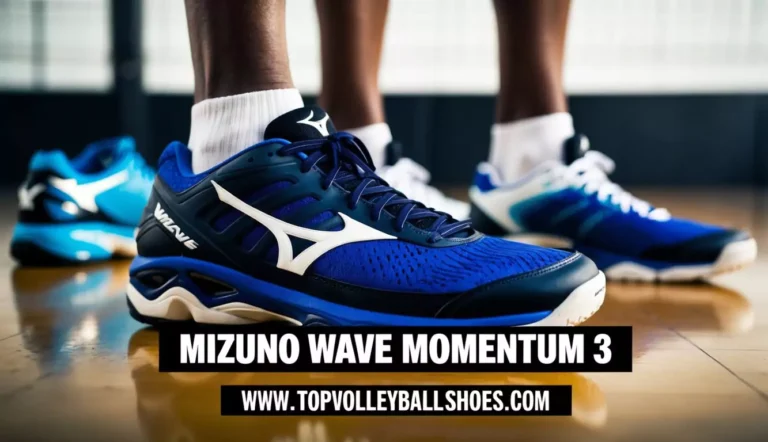
Mizuno Wave Momentum 3 — a stable Wave platform that supports flat feet on every landing.
What to Look for If You Have Flat Feet
- A stable, supportive midsole: Structured foam and a stability plate (like Mizuno’s Wave) help control the inward roll of flat-footed landings.
- Secure midfoot lockdown: Keeps your foot centered on the platform so your arch isn’t collapsing sideways.
- A firm heel counter: Anchors the rearfoot for more controlled, stable landings.
- Orthotic-friendly interior: A removable insole lets you drop in a supportive aftermarket insole (e.g., Superfeet) if you need extra arch support.
- Avoid ultra-soft, unstructured shoes: Very plush, narrow speed shoes can feel unstable for flat-footed players.
Flat feet vary a lot from person to person, so if you have arch pain or a diagnosed condition, it’s worth checking with a sports podiatrist. For general guidance, see our how to choose volleyball shoes and fit guides.
The Best Volleyball Shoes for Flat Feet
1. Mizuno Wave Momentum 3 — Best Overall for Flat Feet
The Momentum 3 is our top flat-foot pick because of its stability. The Mizuno Wave plate creates a supportive, stable platform that helps control landings, while the wide base and secure DynamotionFit bootie keep your foot centered. It’s supportive without being stiff, and the interior accepts an orthotic if you want extra arch support.

| Pros | Cons |
|---|---|
| Stable Wave-plate platform | Heavier than speed shoes |
| Secure, centered fit | Understated looks |
| Orthotic-friendly interior |
👉 Full details in our Mizuno Wave Momentum 3 review.
2. ASICS Sky Elite FF 3 — Best Premium Support
ASICS’s flagship offers a secure lockdown, an elevated structured heel, and a wide, stable base that flat-footed players benefit from on landings. It’s a premium choice, but the support and comfort are excellent, and it works for a range of arch types.
| Pros | Cons |
|---|---|
| Secure lockdown and stable base | Premium price |
| Structured, supportive heel | Runs slightly large |
| Great all-court traction |
3. ASICS Gel-Tactic 12 — Best Value Support Shoe
The Gel-Tactic 12 pairs front and rear GEL with a TRUSSTIC stability piece and a secure fit, making it a stable, supportive option at a mid-range price. A smart pick for flat-footed players who don’t want to pay flagship money.

| Pros | Cons |
|---|---|
| TRUSSTIC stability + GEL cushioning | Runs narrow for wide feet |
| Secure, supportive fit | Being succeeded by the Gel-Tactic 13 |
| Great mid-range value |
👉 Read the full ASICS Gel-Tactic 12 review.
4. Nike Zoom Hyperset 2 — Best for Lockdown
The Hyperset 2’s midfoot strap and Flywire lacing give a locked-in, structured fit that flat-footed players often like for keeping the foot stable and centered. Add a supportive insole and it’s a secure, responsive option.

| Pros | Cons |
|---|---|
| Secure midfoot strap lockdown | Runs snug — size up half |
| Responsive, stable ride | Narrow toe box |
| Good with aftermarket insoles |
👉 See the full Nike Zoom Hyperset 2 review.
5. ASICS Upcourt 6 + Aftermarket Insole — Best Budget Setup
On a tight budget? The roomy, comfortable Upcourt 6 has a removable insole, so you can pair it with a supportive arch insole for a customized flat-foot setup at a low total cost. It’s the most affordable way to get the support you need.

| Pros | Cons |
|---|---|
| Affordable and comfortable | Needs an insole for real arch support |
| Removable insole for orthotics | Runs small — size up half |
| Roomy, forgiving fit |
👉 See the full ASICS Upcourt 6 review.
Quick Comparison Table
| Shoe | Best For | Standout |
|---|---|---|
| Mizuno Wave Momentum 3 | Overall | Stable Wave platform |
| ASICS Sky Elite FF 3 | Premium support | Structured heel + wide base |
| ASICS Gel-Tactic 12 | Value support | TRUSSTIC stability |
| Nike Zoom Hyperset 2 | Lockdown | Midfoot strap |
| ASICS Upcourt 6 + insole | Budget | Orthotic-friendly |
Should Flat-Footed Players Use Insoles?
Often, yes. A supportive aftermarket insole (like Superfeet or a VKTRY insole) can add the arch support many flat-footed players need, and most of the shoes here have removable insoles to accommodate one. If you have persistent arch or heel pain, see a sports podiatrist for a personalized recommendation — this guide is informational, not medical advice.
Support your arches on the court
Browse supportive volleyball shoes on Amazon:
Frequently Asked Questions
What volleyball shoes are best for flat feet?
Look for stable, supportive shoes with a firm platform and secure lockdown. The Mizuno Wave Momentum 3 is our top pick, with the ASICS Sky Elite FF 3 as a premium option and the Gel-Tactic 12 for value.
Are volleyball shoes good for flat feet?
Some are. Stability-oriented models with structured midsoles work well, and most accept an aftermarket arch insole for extra support.
Should I use insoles for flat feet in volleyball shoes?
Often yes. A supportive insole adds arch support many flat-footed players need. Choose shoes with removable insoles so you can swap one in.
Can flat feet cause pain when playing volleyball?
They can contribute to arch and foot fatigue, especially with poor support. Supportive shoes and insoles help, but see a podiatrist for persistent pain.
As an Amazon Associate, I earn from qualifying purchases. Prices and availability may change. This article is informational and not medical advice — consult a professional for foot pain or conditions.

As a US hitter with a passion for volleyball, I bring firsthand experience and insight into what makes the best volleyball shoes stand out. From powerful spikes to swift court movements, I know how crucial the right footwear is for peak performance.